
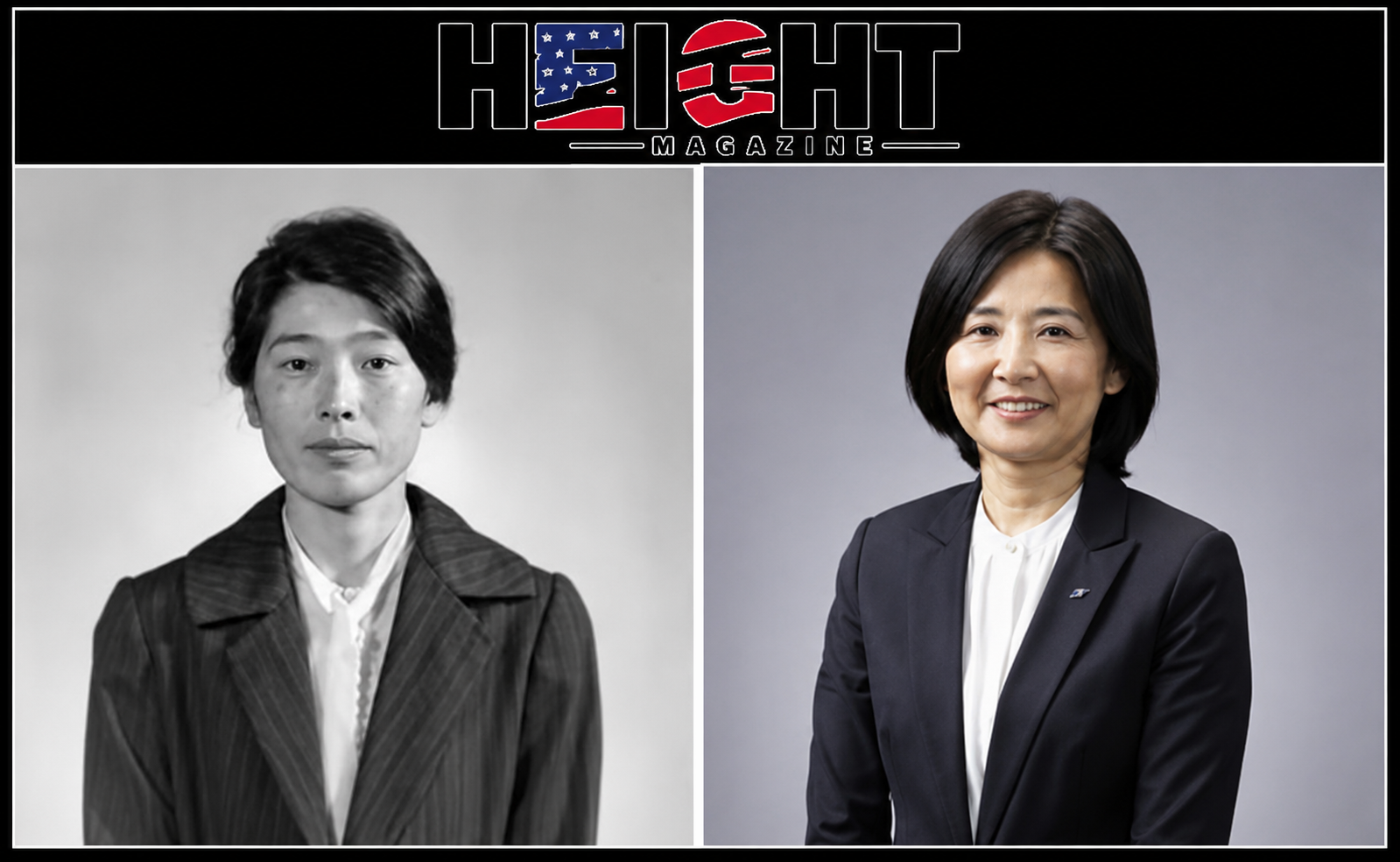
Keiko Fujimoto is best known as the former wife of Ramesh “Sunny” Balwani, the convicted Theranos executive now serving nearly 13 years in federal prison. But her story goes far beyond that one connection. She is a Japanese-born artist, a 30-year technology professional, and a woman who built a quiet but meaningful life on her own terms.
Most people find her name through articles about the Theranos fraud case. Yet she had zero involvement in that company. Her divorce from Balwani was finalized in December 2002, years before Theranos became a household name. She was never an employee, never an investor, and never charged with any wrongdoing.
Her real story is about art, discipline, and private strength. That story is worth knowing.
Quick Facts: Keiko Fujimoto
| Detail | Information |
|---|---|
| Full Name | Keiko Fujimoto |
| Date of Birth | June 23, 1977 |
| Birthplace | Tokyo, Japan |
| Nationality | Japanese-American |
| Education | Tsuda University; M.S. Information Science, University of Illinois |
| Career | Artist, Technical Publications Manager |
| Employer | Applied Materials (30+ years) |
| Ex-Husband | Ramesh “Sunny” Balwani |
| Divorce Finalized | December 2002 |
| Children | None confirmed publicly |
| Current Location | Japan (believed) |
| Estimated Net Worth | Around $6 million |
Who Is Keiko Fujimoto?
Keiko Fujimoto is a Japanese-American artist, technical writer, and former actress. Many people know her name only because of her past marriage. But she built a strong and real career long before and long after that marriage ended.
She worked at Applied Materials for more than 30 years. That company is one of the biggest semiconductor equipment makers in the world. Rising through the ranks there takes real skill and hard work. Keiko did exactly that, starting as a technical writer and becoming a Technical Publications Manager.
Her art is also serious and meaningful. It draws from deep Japanese traditions. She has shown her work publicly and taken on paid art projects in the San Francisco Bay Area.
Above all, she is known for one consistent choice. She chose privacy over attention. That choice has defined her life more than any headline ever could.
Keiko Fujimoto’s Early Life in Tokyo
Keiko Fujimoto was born on June 23, 1977, in Tokyo, Japan. She grew up in a city with a rich cultural history. Japanese values were part of her everyday life from the very start.
Two ideas shaped her deeply. The first is wabi-sabi, which means finding beauty in simple and imperfect things. The second is ma, which is about the power of empty space and silence. These were not just school lessons. They were part of how she saw the world each day.
Growing up in Tokyo also taught her discipline and patience. Japan values careful work and quiet dedication. Both of those qualities stayed with Keiko her whole life. Later, they showed up in her art and in the way she handled her professional work.
Details about her parents and siblings have never been shared publicly. Keiko has always kept that part of her life private. Even as a child, she seems to have understood the value of keeping some things just for yourself.
Keiko Fujimoto’s Education
Keiko took her education very seriously. She first studied at Tsuda University in Tokyo. That school is one of Japan’s most respected universities for women. It is known for building strong thinkers who can work across many fields.
After finishing in Japan, she made a bold decision. She moved to the United States to continue her studies. Many people find that move difficult, but Keiko made it work. She enrolled at the University of Illinois Urbana-Champaign, a top public research university in America.
There, she earned a Master of Science in Information Science in 2005. That degree was not just a piece of paper. It bridged her love of art with her skill in organizing complex ideas clearly. Later, that exact combination helped her thrive in a highly technical workplace.
Her two degrees, one from Japan and one from America, gave her a rare mix of cultural depth and technical skill. Few people manage to develop both so fully.
Her Start in Japanese Television and Acting
Before her long career in technology, Keiko had a public role in entertainment. In 1994, she appeared in a Japanese television series called Takajin Mune Ippai. That was one of her first steps into the public eye.
Later, she appeared in the TV mini-series Unfair in 2006 as an announcer. Her acting credits also include P.O.V. (1988) and Yôi Don! (2009). These were not blockbuster roles, but they showed a woman who was comfortable in front of a camera and had real experience in media.
Acting gave her confidence and communication skills. Both of those things later helped her lead teams and manage large projects at work. Looking back, every step she took seemed to prepare her for the next one.
Television was never her final goal, though. Over time, Keiko shifted her focus toward art and her growing career in the semiconductor industry.
Keiko Fujimoto’s Art: A Deep and Serious Practice
Many people overlook this part of her story. Keiko Fujimoto is a serious and committed artist. Her work is not a hobby. It is a thoughtful creative practice built on years of study and cultural understanding.
Her art style comes directly from her Japanese roots. She works with simplicity, natural texture, and negative space. These are not random choices. They come from the same wabi-sabi philosophy she learned growing up in Tokyo.
In 2013, she showed her work publicly at SOMA Artist Studios in San Francisco. That exhibition was a real and documented moment in her creative life. Beyond that, she also took on commissioned art projects from Bay Area clients, which means people paid her to create work for them.
Her art and her professional work share the same core belief. Complex things should be made simple and clear. Nothing should be wasted. That idea guided her in the art studio and at the office equally.
30 Years at Applied Materials
This is the part of Keiko Fujimoto’s life that most people miss. While her name often appears in Theranos-related searches, her real professional story happened somewhere else entirely.
Applied Materials is the world’s largest supplier of semiconductor fabrication equipment. Its technology powers chips inside nearly every smartphone and computer on the planet. Working there for more than 30 years is a serious achievement. It does not happen by chance.
Keiko started as a technical writer at the company. Her job was to create clear and accurate manuals and documentation for complex semiconductor products. That kind of writing demands both technical knowledge and strong communication skills. Over time, her hard work was recognized.
Eventually, she rose to become a Technical Publications Manager. In that role, she led global teams and oversaw international documentation. Her salary was estimated at around $150,000 per year. That reflects the senior level she had reached after decades of dedicated, skilled work.
How Keiko Fujimoto Met Sunny Balwani
People search for this part of her story the most. So here is a clear and honest account of what is publicly known.
Keiko met Ramesh “Sunny” Balwani while he was working at Microsoft in the 1990s. At that time, he was a legitimate technology professional, long before Theranos existed and long before any fraud took place. The two started a relationship and eventually married in the late 1990s. The exact wedding date has never been publicly confirmed.
They lived together in San Francisco while both were building their careers. From the outside, it looked like a normal life shared by two working professionals in a busy city.
Over time, though, things changed. Keiko filed for divorce in February 2002 at the San Francisco County Superior Court. The divorce was finalized in December 2002. They had no children together. The exact reason for the divorce was never shared publicly by either side.
Keiko Fujimoto Had No Connection to Theranos
This point needs to be stated clearly and directly. Keiko Fujimoto was never part of Theranos. Full stop.
Her divorce from Balwani was completed in December 2002. Balwani did not join Theranos until 2009. That is a seven-year gap. She was not an employee of the company, not an investor, and not a consultant. No charges were ever filed against her. No investigation ever involved her name.
Theranos later collapsed in scandal. Both Elizabeth Holmes and Sunny Balwani were convicted of fraud. Holmes received a sentence of 11 years and 3 months in prison. Balwani received nearly 13 years. They were also ordered to jointly pay $452 million to fraud victims.
None of that had anything to do with Keiko. Her name appears in searches about Theranos only because she was once married to one of the people at the center of the story. That is not the same as being part of it.
What Happened After the Divorce
After her marriage ended in 2002, Keiko did not go looking for attention. She did not give interviews. She did not try to tell her side of the story in public. Instead, she went back to her work and her art.
She stayed at Applied Materials and kept building her career there. She continued making art in the San Francisco Bay Area. Life moved forward in a calm and steady way.
When the Theranos story exploded into the news years later, Keiko’s name appeared briefly. Reporters dug into Balwani’s background and found his former marriage. But Keiko said nothing publicly. She did not write a book or appear on a podcast. That silence was a choice, not an accident.
She had every opportunity to turn her past connection into public attention. Many people in her position would have done exactly that. Keiko chose a completely different path.
Where Is Keiko Fujimoto Now?
After retiring from Applied Materials around 2021, Keiko Fujimoto is believed to have returned to Japan. She is thought to be living a quiet and private life there, focused on personal projects and creative work.
She does not appear to have active public social media accounts. Her personal website has featured her artwork, but she does not use social media to seek followers or attention. Updates about her daily life are simply not available, because she does not share them.
Some reports say she has continued making art since retiring. That would fit the pattern of her life perfectly. Art has always been part of who she is, not just something she did for a period of time.
At this point in her life, Keiko Fujimoto seems to have exactly what she always wanted. Peace, privacy, and the freedom to live on her own terms.
Keiko Fujimoto’s Net Worth
Her estimated net worth is around $6 million. That figure comes mainly from her long career at Applied Materials. Three decades at a senior level in one of the world’s top technology companies adds up over time.
Some sources also count her art income as part of that total. She accepted paid commissions and exhibited her work publicly. Both of those activities represent real professional creative work, not just a side passion.
It is worth saying clearly that this figure is an estimate, not a confirmed number. Keiko has never shared financial details publicly. Any number you see online is a best guess based on her known career history.
Her wealth did not come from fame or a viral moment. It came from showing up to work, doing skilled work well, and doing it for a very long time. That is a different kind of success. In many ways, it is a more lasting one.
Why People Still Search for Keiko Fujimoto
The main reason is her connection to Sunny Balwani and the Theranos case. That story attracted huge media attention around the world. Documentaries, books, podcasts, and a TV miniseries have all revisited it. Each new wave of attention brings new searches for the people connected to Balwani, including Keiko.
There is also genuine curiosity about who she is beyond that one connection. People notice that she has her own career, her own art, and her own life story. They want to understand the full picture, not just the footnote version.
Another reason is the mystery she creates by staying private. When a person connected to a famous story says nothing and shares nothing, people naturally want to know more. Her silence creates curiosity. That is simply human nature.
Finally, there is something quietly inspiring about her choices. She walked away from potential attention. She focused on work and creativity instead of drama. That kind of life is rare enough to make people stop and think.
Final Thoughts
Keiko Fujimoto is not famous in the way most people think of fame. She never chased it. She never used her past connection to a headline-making story to build a public profile. And yet, her name keeps coming up because people want to understand who she really is.
What they find, when they look carefully, is someone with a lot to admire. Keiko Fujimoto grew up in Tokyo with strong cultural values. She earned two degrees across two countries. Keiko Fujimoto spent 30 years building a respected career in one of the world’s most demanding industries. She made serious, meaningful art rooted in Japanese tradition. And when the world connected her name to scandal, she simply stayed quiet and kept living her life.
Her story is a reminder that not every impressive life is a loud one. Some of the most meaningful journeys happen quietly, away from cameras and comment sections. Keiko Fujimoto chose that kind of journey. And from everything we can see, it served her very well.
For more inspiring real-life stories, visit Height Magazine.