
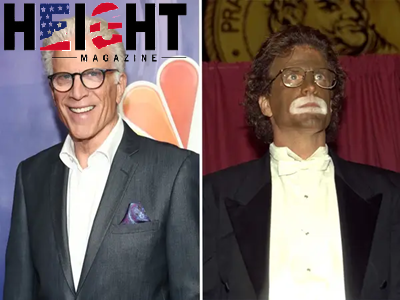
Ted Danson is best known as a famous American TV actor. Most people know him from the hit show Cheers. But in 1993, he did something that shocked the entire country. He wore blackface at a public event. That one moment changed how many people saw him forever.
Quick Facts: Ted Danson Blackface
| Detail | Info |
|---|---|
| Full Name | Edward Bridge Danson III |
| Born | December 29, 1947 |
| Birthplace | San Diego, California |
| Known For | Cheers, The Good Place |
| Incident | Wore blackface at Friar’s Club Roast |
| Date of Incident | October 8, 1993 |
| Location | New York City |
| Girlfriend at the Time | Whoopi Goldberg |
| Public Reaction | Widespread outrage across America |
Who Is Ted Danson?
Ted Danson is an American actor who became famous in the 1980s. He grew up in Flagstaff, Arizona. Later, he studied acting at Carnegie Mellon University in Pennsylvania. He worked hard for years before landing his big break.
In 1982, he got the role of Sam Malone on the TV show Cheers. The show was a massive hit. It ran for 11 seasons and made Danson one of the most loved actors in America. He won two Emmy Awards for that role.
By the early 1990s, his career was at its peak. People knew him as funny, charming, and likable. He also cared about the environment and spoke about ocean conservation. Most fans saw him as a positive figure in Hollywood.
Then came October 1993. One night at a comedy roast changed everything.
What Happened at the Friar’s Club Roast
On October 8, 1993, Ted Danson showed up at the Friar’s Club Roast in New York City. The event was held to honor his girlfriend, Whoopi Goldberg. A roast is a comedy event where people make jokes about someone they love and respect.
Danson walked onto the stage wearing blackface makeup. His face was painted dark. He also wore an afro wig and oversized fake lips. Many people in the room were stunned the moment they saw him.
His routine lasted a long time. He told racial jokes and used the N-word several times. He also made crude sexual jokes about his relationship with Whoopi. Some people in the crowd laughed. But many others sat in silence or felt deeply uncomfortable.
Photos and reports from the event spread quickly to the press. Within hours, the story was all over the news. America was shocked.
Why Ted Danson Said He Did It
After the news broke, Danson spoke to the press. He said Whoopi Goldberg helped write the routine. According to him, she encouraged him and guided the content of the jokes. He believed her involvement made everything acceptable.
Danson said he trusted her completely. Whoopi was a famous Black comedian and actress. He thought her support meant the performance was okay. He also said the roast was meant to be a private comedy event, not a public show.
But most people did not accept that explanation. Many argued that no reason justifies blackface. The history behind it is too painful and too deep. One person’s approval cannot erase that kind of hurt.
Critics said Danson should have known better. His fame and success did not protect him from making a harmful choice.
The Long and Painful History of Blackface in America
To understand why people were so upset, you need to know what blackface really means. It is not just about paint or makeup. It carries a very long and very painful history.
Blackface started in American minstrel shows in the 1800s. White performers would darken their faces and act out mean stereotypes about Black people. They portrayed Black Americans as stupid, lazy, and less than human. These shows were popular for decades.
That kind of mockery caused real damage. It helped spread racist ideas across America. Even after minstrel shows ended, the imagery stayed in people’s memories. For many Black Americans, seeing blackface brings back generations of pain.
By 1993, most people clearly understood that blackface was deeply offensive. Using it in any setting, even comedy, was seen as harmful and disrespectful.
How America Reacted to Ted Danson’s Blackface
The reaction came fast and hard. People across the country spoke out with anger and sadness. Civil rights leaders called the performance disgusting. Many celebrities and public figures expressed their hurt openly.
Montel Williams, the popular TV host, was at the roast that night. He walked out in the middle of Danson’s routine. He said he simply could not stay and listen to it. His walkout became one of the most talked-about moments from that night.
Civil rights attorney C. Vernon Mason called the performance a setback for race relations. He said it was painful to watch a white man use blackface for laughs. Many Black entertainers shared his feelings publicly.
Even fans who loved Danson from Cheers felt confused and hurt. He had played such a lovable character for years. This moment felt like a betrayal of all the goodwill he had built.
Whoopi Goldberg’s Surprising Defense
While most of America was outraged, Whoopi Goldberg defended Ted Danson. She said clearly that she helped write the jokes. She’s called the routine a strange but real act of love. She also said the performance was meant to be comedy, not cruelty.
Whoopi argued that she had the right, as a Black woman, to make those kinds of jokes about her own experience. She said people were taking the roast out of context. She stood firmly by Danson and did not back down.
Her defense surprised a lot of people. Some respected her point of view. Others felt she was protecting Danson at the expense of a wider community’s pain.
Damon Wayans, a comedian who attended the roast, acknowledged the discomfort the show caused. Still, he supported Whoopi’s right to set those creative boundaries for herself. The debate split people sharply.
Did Whoopi Goldberg and Ted Danson Stay Together?
At the time of the roast, Danson and Whoopi Goldberg had been dating since 1992. They met while filming the movie Made in America. Their relationship drew a lot of attention because interracial couples were still widely talked about in the media.
Both were huge stars. Whoopi had just won an Academy Award for her role in Ghost. Together, they made one of the most high-profile couples in Hollywood at that time.
Whoopi later said she genuinely loved Danson. She spoke about their time together with warmth. But despite her public defense, the relationship did not last long after the scandal.
By the end of 1993, the couple had broken up. The stress of the public fallout played a role, even if it was not the only reason. Their split added another layer of sadness to an already painful story.
Ted Danson’s Apology After the Blackface Incident
After the story exploded in the press, Danson came forward and apologized. Ted Danson Blackface said he understood why people were hurt. He admitted the performance was a mistake. He said he was sorry for the pain it caused.
But many people felt his apology was not strong enough. He kept mentioning Whoopi’s role in writing the material. To some, that felt like he was sharing the blame instead of fully owning what he did.
Others accepted his apology and moved on. They believed he did not act with hate in his heart. Still, accepting an apology does not mean forgetting the harm that was done.
The apology started a bigger conversation across America. People began asking hard questions about race, comedy, accountability, and where the line should be drawn.
What Happened to Ted Danson’s Career After the Scandal
The blackface incident caused real damage to Danson’s reputation. His Cheers co-stars reportedly felt uncomfortable and embarrassed. Luckily for him, the show had already ended just months earlier, in May 1993.
For a while, his career slowed down. Some projects fell through. Public trust in him weakened. Many people in Hollywood kept their distance from him during that period.
Over time, though, Danson kept working. He starred in the TV show Becker in the late 1990s. Later, he appeared in CSI: Cyber and other projects. More recently, he won new fans with The Good Place and the comedy Mr. Mayor.
His career survived. But the 1993 incident never fully went away. Whenever his name appears in the news, that night at the Friar’s Club almost always gets mentioned again.
Why the Ted Danson Blackface Story Still Matters Today
More than 30 years have passed since that night. Yet people still search for this story. That tells us something important. Some moments do not fade easily, and this is one of them.
The story matters because it shows how much history and context shape the meaning of actions. Danson may not have wanted to hurt anyone. But the pain he caused was very real. Good intentions do not cancel out harmful outcomes.
It also shows that fame does not make someone wise. A person can be beloved and successful and still make a deeply damaging choice. No level of celebrity protects anyone from the consequences of harmful actions.
Finally, this story reminds us to listen carefully to the communities most affected by our choices. One person saying something is okay does not mean an entire group feels the same way.
Lessons From the Ted Danson Blackface Incident
There are clear lessons here that still apply today. First, history matters. You cannot remove an image from its roots. Blackface has a specific and painful meaning in American history. That meaning does not disappear because of a comedy setting.
Second, context does not always protect. A roast is meant for laughs. But some images and words carry too much pain to be treated as simple jokes. The setting does not neutralize the damage.
Third, accountability is important. Danson apologized, and that was a necessary step. But a real apology means understanding the full harm caused, not just saying sorry and moving on quickly.
Fourth and finally, we all have a responsibility to think before we act. This is true for celebrities and for everyday people. Words and images affect real human beings in real ways.
Final Thoughts
The Ted Danson blackface story is not just an old Hollywood scandal. It is a real and human story about choices, consequences, and the weight of history. Danson was not a hateful man. But he made a harmful decision that hurt many people deeply.
His career recovered over time. But the lesson from that night in 1993 still stands clearly. Fame does not give anyone the right to ignore the pain of others. History is not decoration. It is something we all carry, whether we know it or not.
Moments like this remind us to stay thoughtful, stay humble, and stay willing to listen. That is how we grow, both as individuals and as a society.
For more true stories from Hollywood and American culture, visit USA Today Magazine and stay informed with reporting you can trust.